Guide
AI Real Estate Video vs. Traditional Videography
By Pixel Polish Media · Updated June 2026 · ~6 min read
An AI real estate video built from your existing listing photos now lands in three business days for a fraction of what a film crew costs, so the real question is when to use each.
Two ways to make a listing video
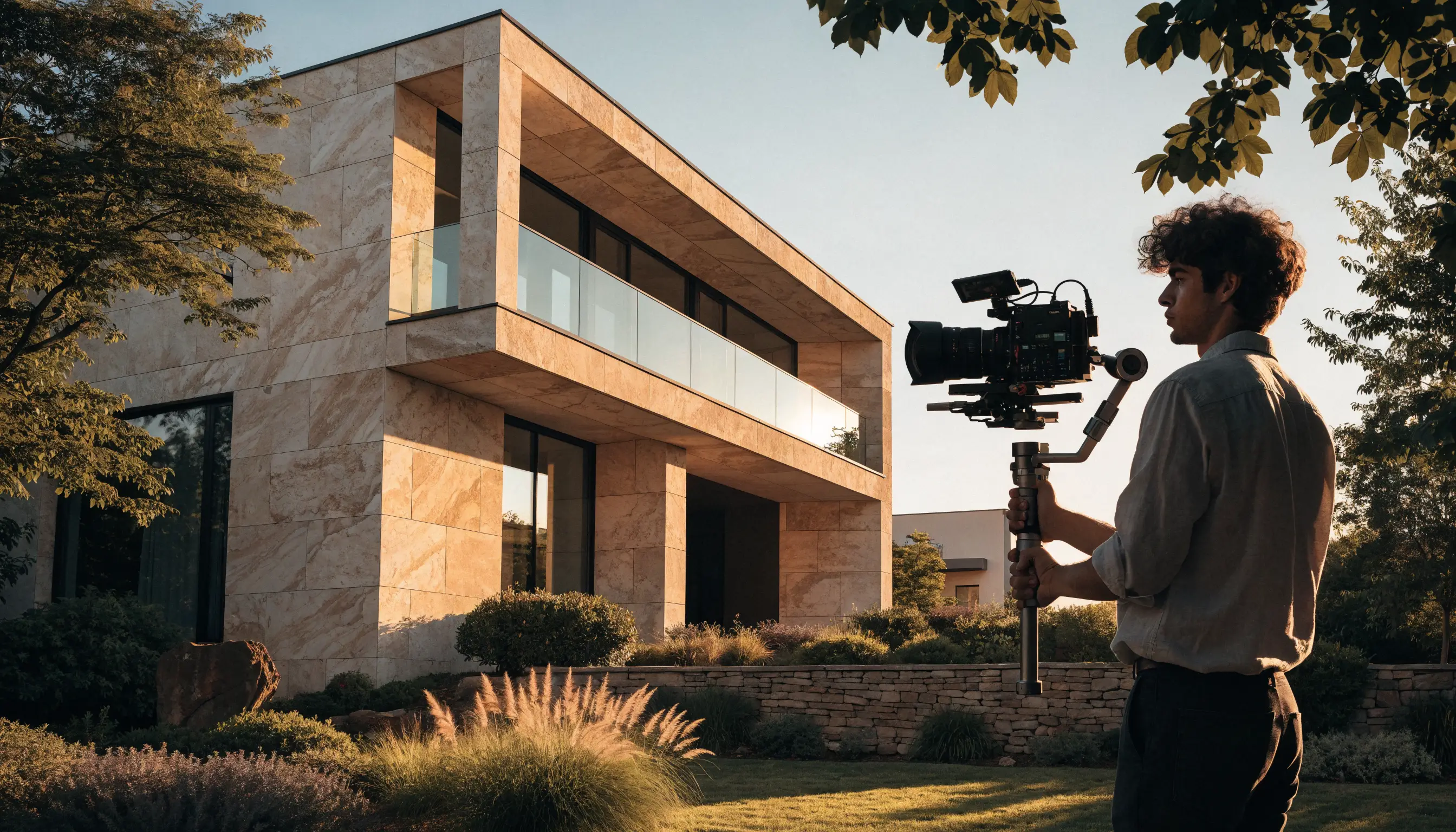
Traditional videography is the familiar route. A videographer walks the property with a gimbal or drone, captures motion footage, then color-grades and cuts it in post. AI listing video flips the workflow. You upload the photos from your shoot, and a photos to video real estate pipeline turns them into a moving, narrated tour with camera moves, scene transitions, music, and pacing. Both produce a real estate listing video you can post to the MLS, social, and your site. The difference shows up in your calendar and your budget.
Traditional videography
- True motion footage and live drone passes
- Ideal for hero films on trophy listings
- Rarely shows people or pets, since coordinating them on set is hard and expensive
- $400–$1,500+ per shoot, plus travel
- Needs a second onsite trip after the photo shoot, or rescheduling to film
- Often a week or more from shoot to final cut
Done-for-you AI video
- Built from photos you already have. No second onsite trip
- From $79, with delivery in three business days
- A professional editor quality-checks every order before delivery
- Matches your edited photos, since the video is built from them
- Can add tasteful people or pets cheaply and easily
- Can't film live action or a packed open house
- Only as good as the photos you supply
Video that matches your edited photos
Listing photos get polished before they go live. Editors replace dull skies, remove blemishes, and balance the dynamic range so every room looks its best. Video is far harder to edit the same way. A traditionally shot tour usually skips that level of work, so the footage looks flatter than the photos buyers already saw. The video and the gallery don't match.
AI video built from your edited photos solves that by design. The tour starts from the same polished images, so the sky, the light, and the finish carry straight into the video. Your marketing looks like one set, not two.
There's a scheduling win too. A photographer still goes to the property to shoot the photos. The advantage of AI video is no second onsite trip and no rescheduling to film after the photo shoot. You order from the photos you already have, and the video comes back in three business days.
Why a professional editor matters
The fair knock on early AI video was the artifacts. A faucet that melts into the counter. A window that warps when the camera moves. A staged sofa that never existed. On a real listing, those hallucinations are a liability. A buyer who spots a fabricated room loses trust, and you can run afoul of advertising rules. That is why a listing video from photos should never ship straight from a model.
At Pixel Polish, AI generates the video and a professional editor quality-checks every order before it reaches you. They catch the warped edges, confirm every scene reflects the actual property, and cut anything that looks invented. That step is the difference between a clip that quietly hurts your brand and a polished AI real estate videoyou'd put your name on.
We'll be straight with you: AI can occasionally hallucinate. We catch most issues before delivery, and fix any that slip through. For more on where we draw the line, see our guide to the ethics of AI real estate video.
Which property types suit each
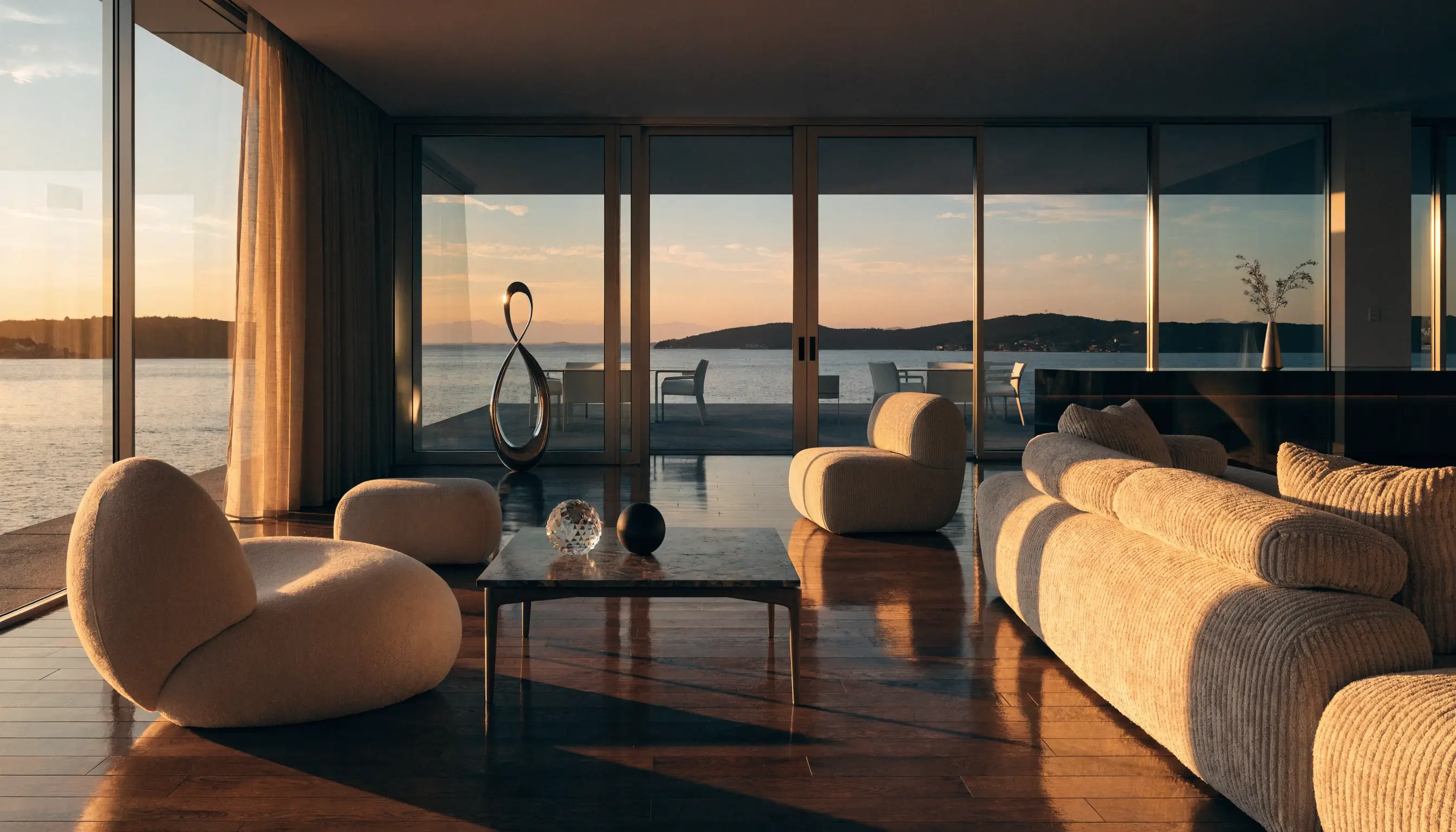
Match the method to the listing. For everyday inventory — the townhomes, condos, and single-family homes that make up the bulk of most pipelines — AI video is the smart default. You get a sharp, shareable tour for every listing without blowing the marketing budget on the ones that will sell in a weekend anyway. It also shines when speed matters: a fresh listing, a price drop you want to re-promote, or a same-week social push.
Traditional videography still earns its keep on the marquee listings: the multi-million-dollar estate, the architectural showpiece, the property where a cinematic hero film is part of the pitch to win the seller. Many agents run both — AI video on the everyday listings, a full shoot on the handful that justify it. The two aren't rivals so much as different tools for different jobs.
| Factor | Traditional | Done-for-you AI |
|---|---|---|
| Typical cost | $400–$1,500+ | From $79 |
| Turnaround | ~1 week+ | 3 business days |
| What you provide | Site access, scheduling | Your listing photos |
| Best for | Luxury hero films | Every listing, at scale |
Why agents are adopting done-for-you AI video
The pull is simple. Video helps a listing stand out, and AI makes that feasible on every one. Listings marketed with video are widely reported to earn more engagement and inquiries, and video reaches more buyers on social platforms. So agents no longer reserve it for the trophy listing. When a polished tour costs $79 and arrives in three days, there's no reason your $300K listing should go to market with stills alone.
48%
of buyers' agents said videos were more or much more important to their clients.
Agent survey response — not a guarantee of results.
Done-for-you is the other half of the appeal. You bring the photos; the editors bring the polish. No software to learn, no second onsite trip to schedule, no awkward render to fix yourself. You get a finished video, quality checked by a professional editor, ready to post. For most agents that is the winning trade: traditional videography for the rare showpiece, AI listing video for everything else.